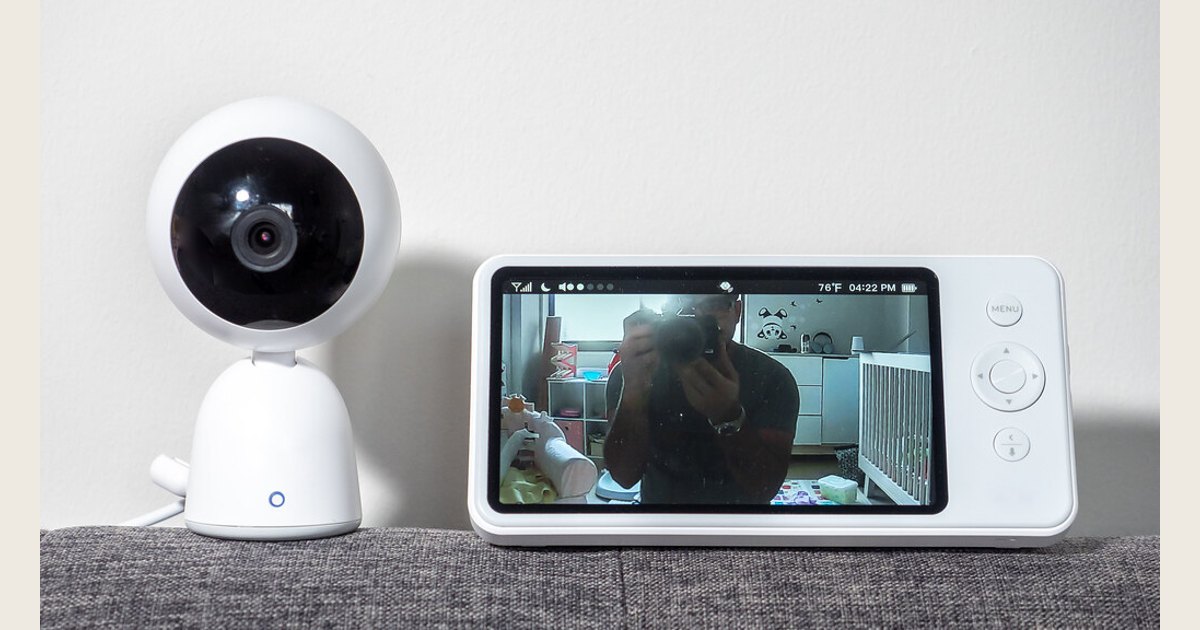
There is no single best wearable baby monitor for every family. The best choice is the product type and setup that match your reason for monitoring, fit your baby within the maker’s stated limits, and let you use alerts without changing the sleep setup.
For a healthy baby, think of a consumer wearable as an optional source of information—not a replacement for safe sleep, hands-on caregiving, or medical care. If a clinician has recommended monitoring for a specific health reason, follow that clinician’s instructions about what device to use and how to respond to alerts. A retail wearable is not a substitute for that plan.
Key takeaways
- “Best” means the product type and setup that match your need; it does not mean the most measurements or the loudest marketing.
- Check the exact model’s approved age, weight, fit, charging routine, alert meanings, and return policy before buying.
- Do not assume every sock, band, clip, or camera measures the same thing—or that a reading can diagnose a problem.
- Keep safe-sleep practices unchanged. For every sleep, place baby on their back in a separate, firm, flat, level sleep space with only a fitted sheet, as NICHD Safe to Sleep guidance explains.
Featured image credit: Photo: Baby Monitor by ajay_suresh, https://www.flickr.com/photos/83136374@N05/51817515261; https://creativecommons.org/licenses/by/2.0/. Resized and padded. Illustrative stock photo; no product testing is implied.
What is a wearable baby monitor?
A wearable baby monitor is a product that places a sensor on the baby, usually on a foot, around the torso, or attached to clothing or a diaper. Depending on the model, it may send data or notifications to a base station, phone app, camera system, or all three.
The important word is depending. Products that look similar can have very different purposes. One may focus on sleep or movement patterns, another may use a foot-worn sensor, and another may pair a clothing item with a camera. Read the specifications and instructions for the exact model rather than assuming that a sock or band automatically measures a particular vital sign.
How the main options differ
Use this high-level comparison to narrow the category first. It is not a product ranking: actual measurements, app functions, and limitations are model-specific.
| Monitor type | Where the sensor or observation happens | What to check before buying | Main tradeoff |
|---|---|---|---|
| Sock-style wearable | On the foot | Stated size and fit range, how it stays in place, charging routine, and how alerts are explained | A foot-worn item must fit and be used exactly as directed. |
| Band, clip, or clothing-based wearable | Around the torso or attached to clothing/diaper, depending on the design | Placement instructions, compatible clothing, washing guidance, and whether use is limited to sleep | The product may add a garment or attachment to manage at each sleep. |
| Camera-assisted breathing or movement system | The camera observes the sleep area; a branded garment may be part of the system | Camera placement, cord safety, Wi-Fi needs, privacy controls, and whether the garment is required | The monitor is not fully wearable, and setup can be more involved. See our baby monitor versus security camera comparison if you are deciding between those approaches. |
| Clinician-directed monitoring | Set by a medical team for a child’s specific need | The prescribed device, instructions, contacts, and response plan | Consumer shopping criteria should not override clinical direction. |
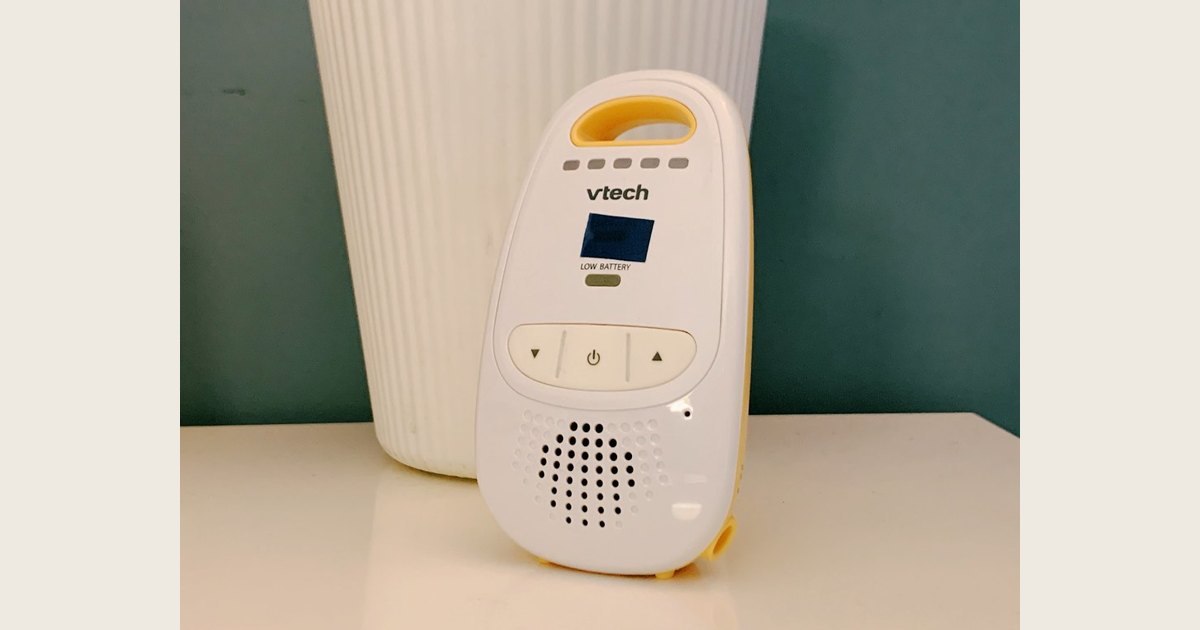
An infant-monitoring setup is only useful when the device instructions, nursery setup, and caregiver response plan work together.
Photo: Baby Monitor by bfishadow, https://www.flickr.com/photos/61368956@N00/50697407666; https://creativecommons.org/licenses/by/2.0/. Resized and padded. Illustrative stock photo; no product testing is implied.
Who may find one useful—and who should pause
A wearable can suit a family that wants a particular kind of sleep-related information and is comfortable with its routine: correct placement, charging, connection checks, and alert meanings.
Pause before buying if your baby has a diagnosed condition, was sent home with monitoring guidance, or has symptoms that concern you. Ask the child’s medical team what monitoring—if any—is appropriate. Do not substitute a consumer wearable for a clinician-recommended system.
It is also reasonable to decide a wearable is not for you. A good audio or video monitor, paired with a safe nursery setup and a routine you can sustain, may meet your need. Our guide to choosing a baby monitor for your nursery can help you compare the broader monitor categories.
How to choose a wearable monitor safely
Rather than starting with a brand name, work through these questions with the exact product page and manual open.
1. Start with the stated fit and use limits
Check the manufacturer’s current age, weight, and size guidance. Confirm whether the product is intended for naps, overnight sleep, travel, or only particular stages. If it comes with multiple sock sizes or bands, understand when and how to change them.
Do not improvise with extra tape, altered clothing, or a different attachment method. If you cannot get a secure, comfortable fit using the instructions, choose another option or contact the manufacturer.
2. Learn what alerts mean
Before the first night, read the manual’s explanation of every sound, color, vibration, and app notification. Distinguish low-battery, lost-connection, poor-placement, and attention alerts. Look at your baby first when you are concerned; an alert or lack of one cannot diagnose illness.
3. Count the routine, not just the features
Ask these questions:
- How and where will it charge?
- Does it need Wi-Fi, Bluetooth proximity, or a base station?
- How are fabric parts cleaned?
- What happens during an internet outage or phone update?
- Can it be returned if the fit does not work?
4. Treat connection and privacy as buying criteria
For an app or camera, review account, password, update, and sharing settings. Use a unique password and remove access when it is no longer needed. Place camera cords and equipment as directed and away from the sleep space. See our baby monitor safety guide for placement and security basics.
5. Check support and return terms
Look for a current manual, warranty details, a support contact, and return terms. Current instructions are more useful than a social-media demonstration or old review.
A wearable does not change safe-sleep basics
A wearable should never be the reason to add padding, positioners, loose bedding, a non-approved garment, or a new sleep surface.
NICHD says the sleep surface should be firm, flat, and level and covered only by a fitted sheet; it also advises keeping soft, non-fitted, and weighted items out of the sleep area. Its safe-sleep guidance describes room sharing with baby in a separate infant sleep space rather than bed sharing.
For every nap and nighttime sleep, place baby wholly on their back. NICHD identifies back sleeping as the most effective action caregivers can take to reduce the risk of SIDS and other sleep-related deaths, including for babies born preterm and babies with reflux. Read the full guidance.
If a wearable conflicts with this setup, consult its instructions or your child’s clinician; do not change a safe-sleep practice to accommodate it.
Common problems and sensible next steps
The wearable keeps disconnecting. Confirm it is charged, positioned correctly, and within the required range. Restart it only as directed, then contact support if needed.
You are getting repeated fit notices. Check the current fitting instructions and size. Do not tighten, layer, or modify it beyond the manual.
An alert makes you worried about your baby. Look at your baby, not only the screen. If your baby appears in immediate distress, is unresponsive, or has trouble breathing, seek emergency help right away. For a non-emergency concern, contact your child’s clinician; a consumer monitor reading should not delay care.
The monitor is making you more anxious. Simplify notifications, switch to a basic monitor, or discuss persistent worry with a healthcare professional.
Frequently asked questions
Are sock-style monitors better than band-style monitors?
Not universally. Compare the exact use limits, fit instructions, cleaning routine, connection needs, and alert explanations—not the form factor alone.
Can a wearable baby monitor prevent SIDS?
Do not rely on a wearable to make sleep safe or replace established safe-sleep practices. Follow the safe-sleep setup and back-sleeping guidance for every sleep.
Does a wearable monitor diagnose illness?
No. Alerts and displayed information are not a diagnosis. If you are concerned about your baby’s breathing, color, feeding, responsiveness, or general condition, seek clinical advice or emergency help as appropriate.
What is the best wearable baby monitor to buy?
First decide whether you need a wearable at all. If you do, choose one that fits your baby within its stated limits, has understandable alerts, works with your nursery setup, and does not compromise safe sleep. When there is a medical reason for monitoring, use the device your child’s medical team directs you to use.